
Senior Product DesignerSenior UX/UI Designer
Senior Art Director
interaction design technology
ux researcher
Natural History Museum, LDN
Identified an opportunity to enhance the museum’svisiting experience by implementing gamification
principles at the Mammal Zone in NHM.
BRAND / CLIENT
natural history museum
ROLE
UX Researcher
YEAR
2024
OUTCOME
Grade: Distinction
User Research (Ql and Qn),
Conceptual and detailed design,
Wireframing and prototyping,
User persona and user journey creation

PROJECT
Gamification of the Museum Experience:
Digital Stamp Collection at the Natural History Museum
For 3-months, my team and I worked on finding an opportunity to enhance the museum experience. Through our research and analysis, we discovered a low engagement / interaction with digital kiosks especially when the kiosks themselves became a source of frustration.
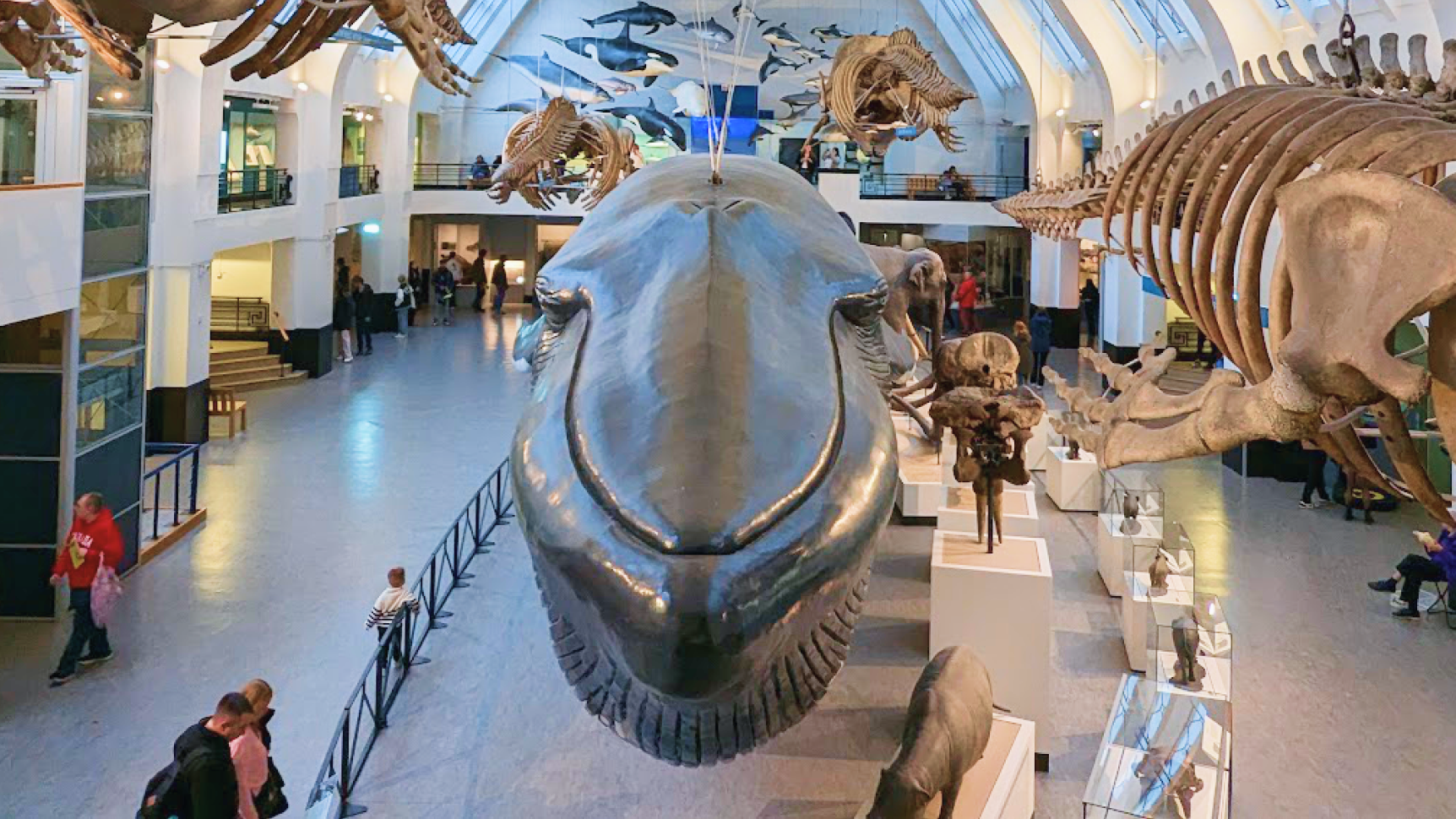
We observed that the digital kiosks were text heavy and placed near walls than exhibits -leading to the digital kiosks going unnoticed. Our team’s goal was to “create an interactive technology that is both eye-catching and provides a depth of information.”
This opportunity to focus on displays gave us a range of possibilities to play around with. We incorporated the principles of gamification and positive reinforcements in our approach. After participating in the exhibit’s activity, visitors will be able collect exhibit game patches or stickers at a collection point (NHM’s Central Hub).
Our final project earned a distinction grade.
01
brief
Find an opportunity to provide an interactive way for visitors to engage in an area or exhibit in our chosen museum.
02
opportunity
TO INCREASE USER ENGAGEMENT ON INTERACTIVE KIOSKS (DIGITAL DISPLAYS)
Our findings revealed that while many visitors have the intention of interacting with displays, they’ve held back from doing so.
Some mentioning that the displays were text heavy. Some kiosks in the Blue (Mammal) Zone were found by the wall and away from the mammal displays; and when used, they load slowly.
These factors hugely affect engagement when we learned visitors leave before gaining information from the display.
03
goal
To create an interactive technology that is both eye-catching and provides a depth of information.
04
framework
Our team decided to approach our project with the Double Diamond Framework. This helped us learn more about our users and how they do things to achieve a certain goal. In this case, explore museums/exhibits.
05
ideation
During brainstorming, we researched on already existing technologies and collectively brought different ideas to discuss what we can do to improve them to fit our goal and how they answer the brief.
06
designs 1.0
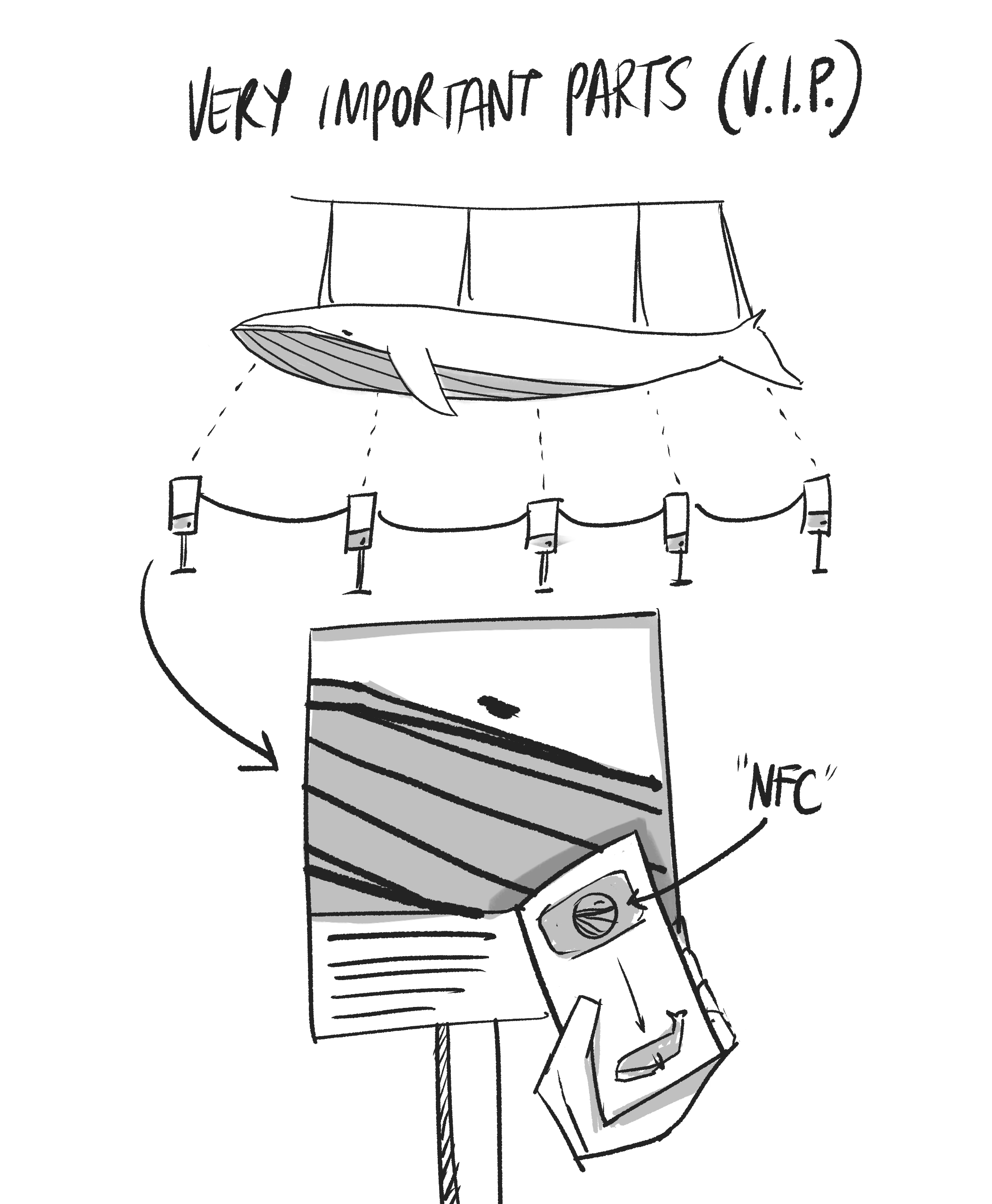
Our designs were rooted on my idea*.I wanted to approach this from an angle and behaviour that is practiced in London.
My idea inspirations:
- Japan Railway Stamps by D&AD
- Pokémon Go
These examples share the same expected behaviour: travelling to pinned locations and positive reinforcement (rewards -stamps or Pokémon).
The next is to integrate that behaviour with the current practice in London and in the museum: tapping / hovering devices on NFC readers.
* “VIP” digital sketch seen at the bottom of the page.
07
evaluation
We conducted both low fidelity (face-to-face testing) and mid fidelity (remote testing) prototypes with participants.Both involved observations and think-alouds to give us an idea on how users approach our technology. This gave us the feedback we need for iterations of our interactive design.
In our evaluation we identified a few that we could address for the next iteration with Accessibility being our top priority. Our prototype lacked any indication to aid in visual impairment (ex. Text-to-speech).Other issues were in regards to: visual hierarchy, button and wristband instructions, excessive clicks, and mismatch expectations between mental models and real world.
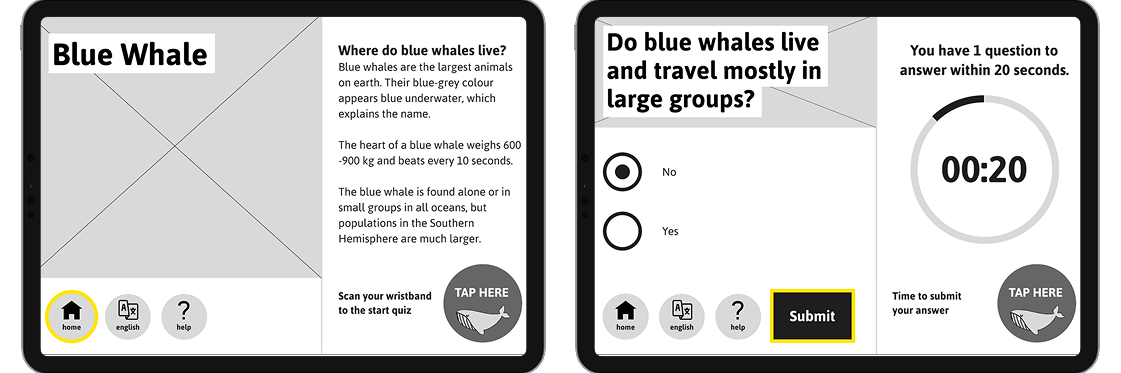
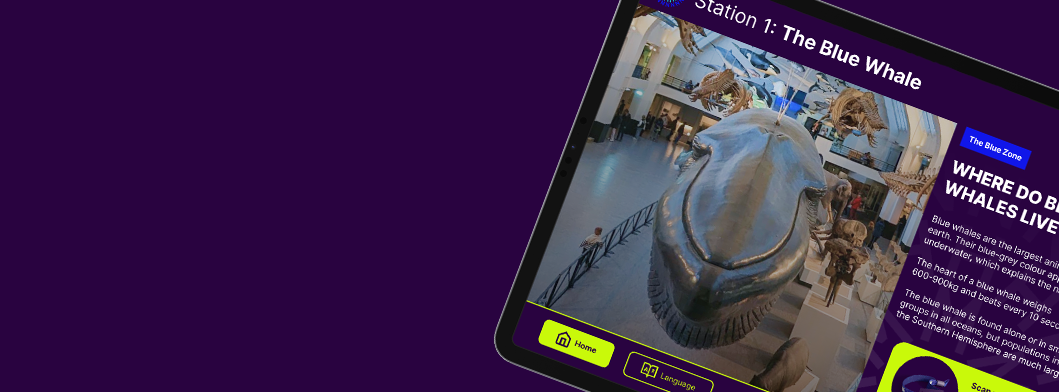
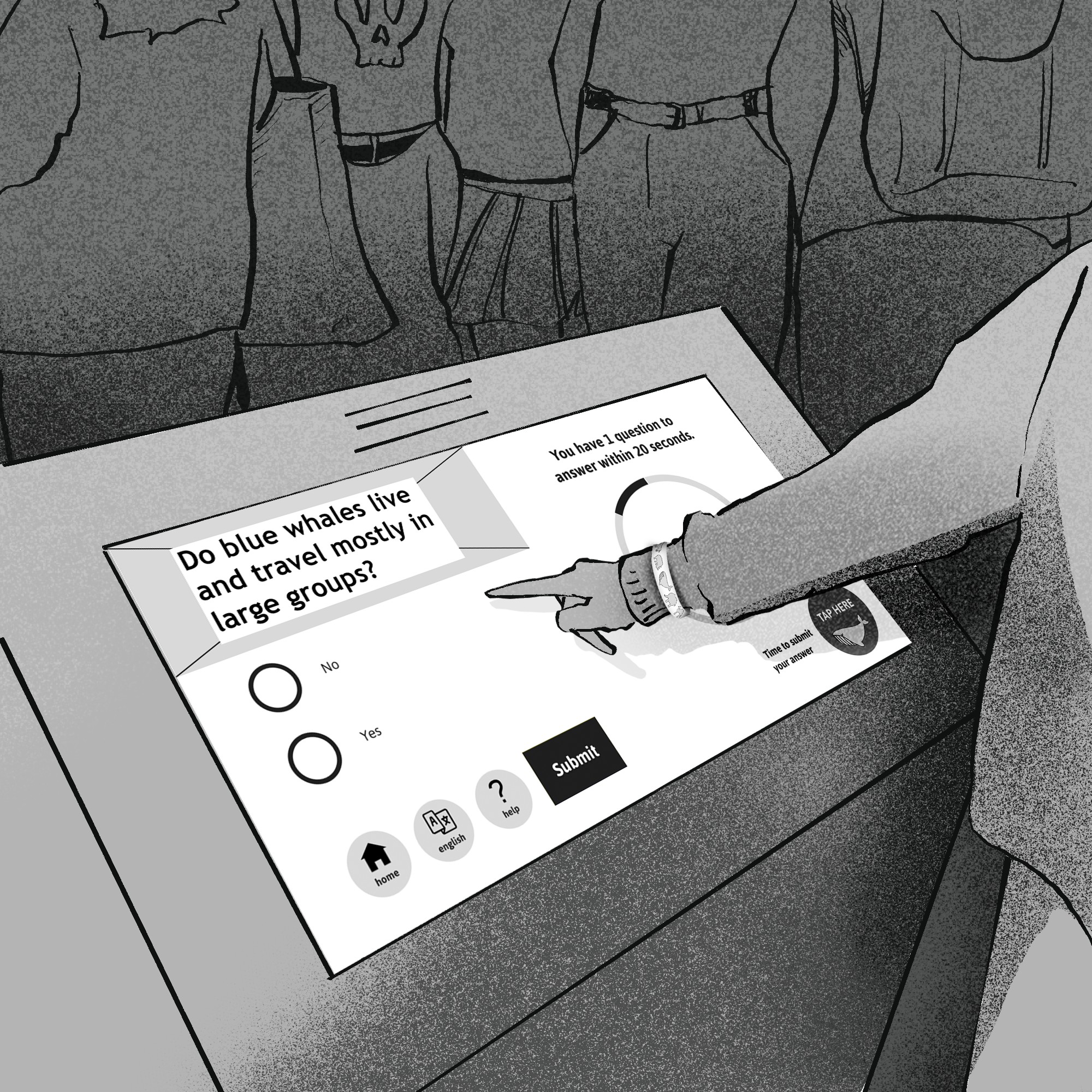
Prototype pages: Info page and Quiz page
06.1
designs 1.1
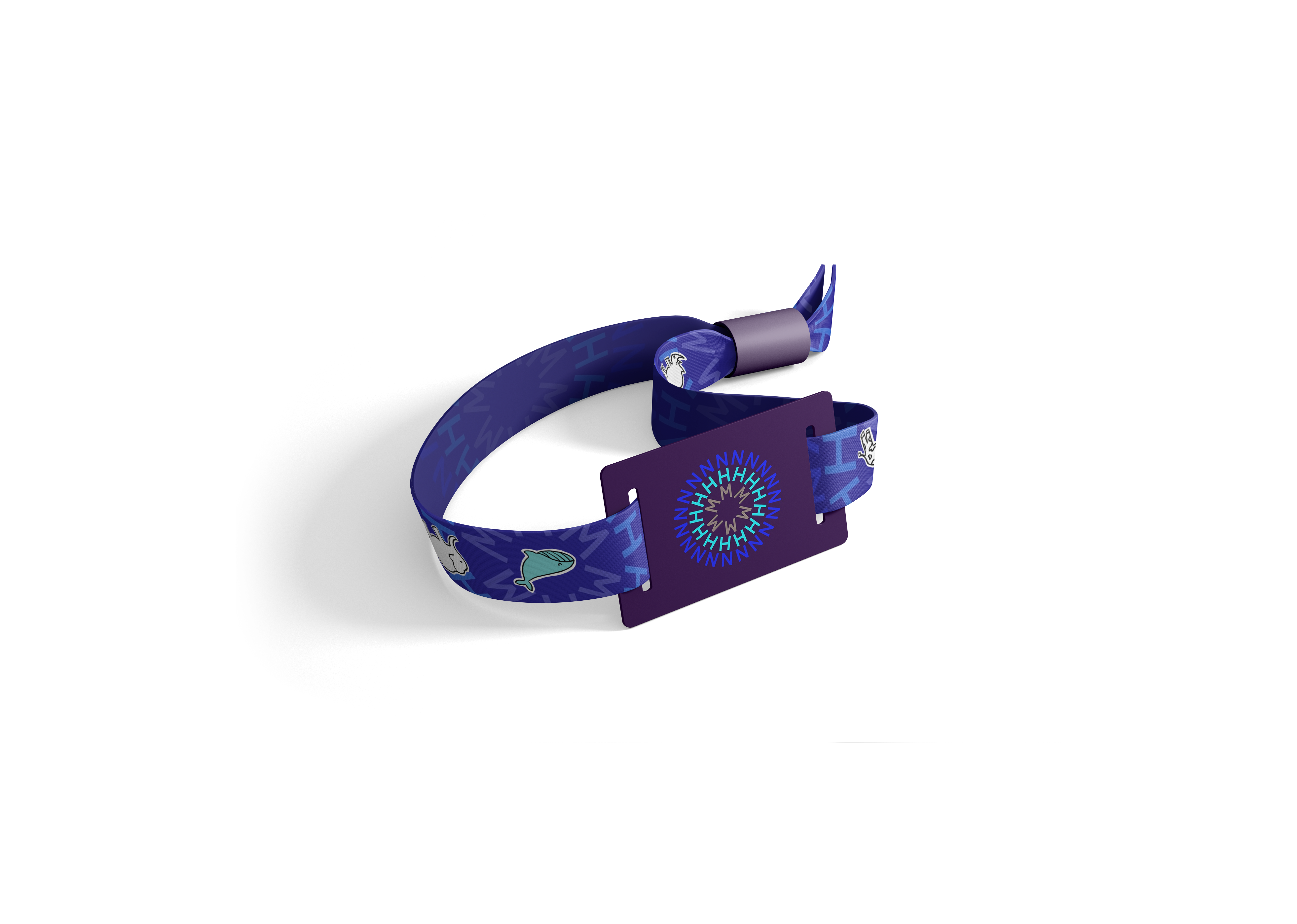
While tapping mobile phones is a common practice in London, we opted to use a digital wristband instead. This removes any hesitation about data privacy, any mobile phone fatigue, and wont hinder movement when going around the exhibit.
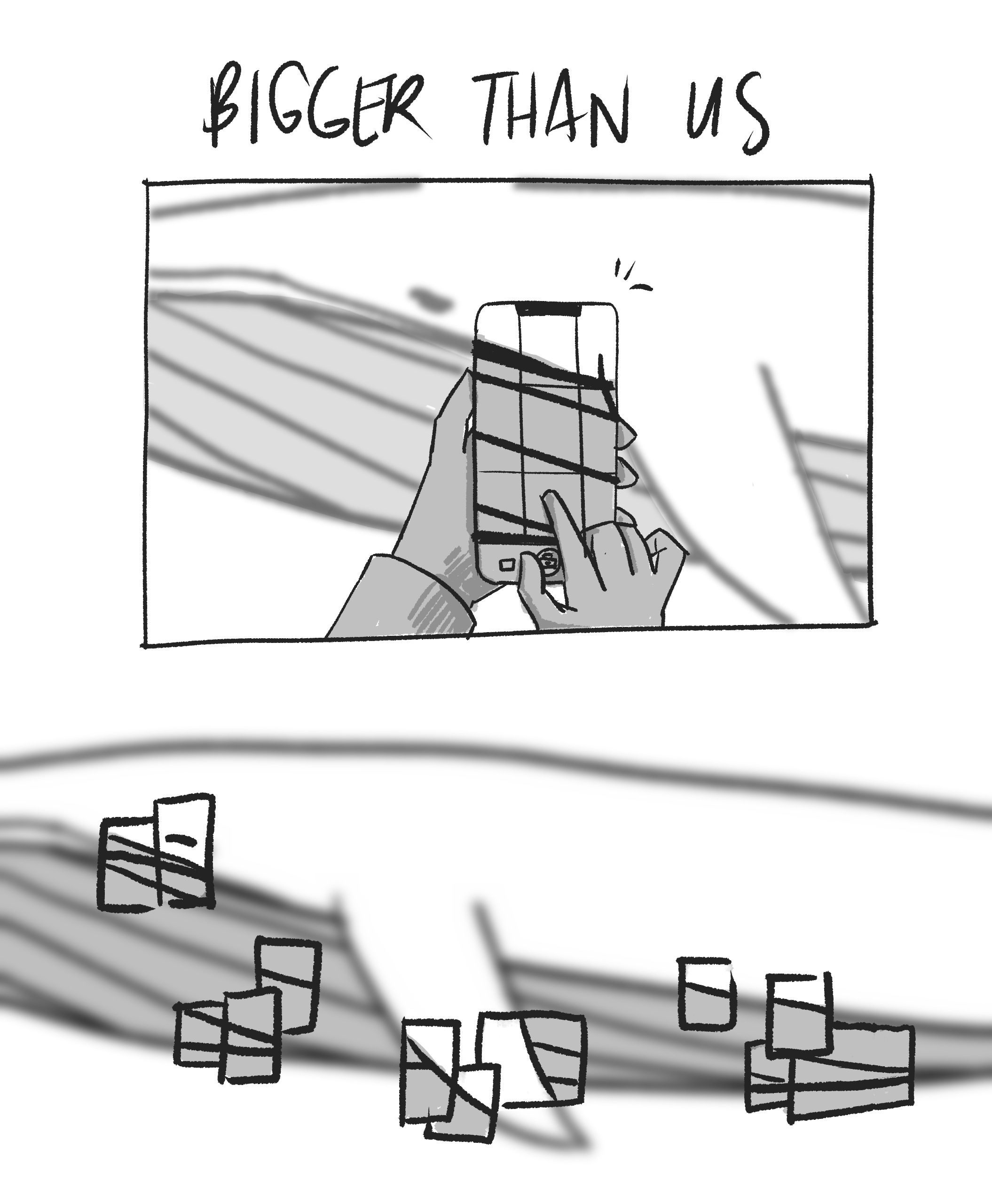
This also frees up visitors mobile devices for documentation -if they’d like.
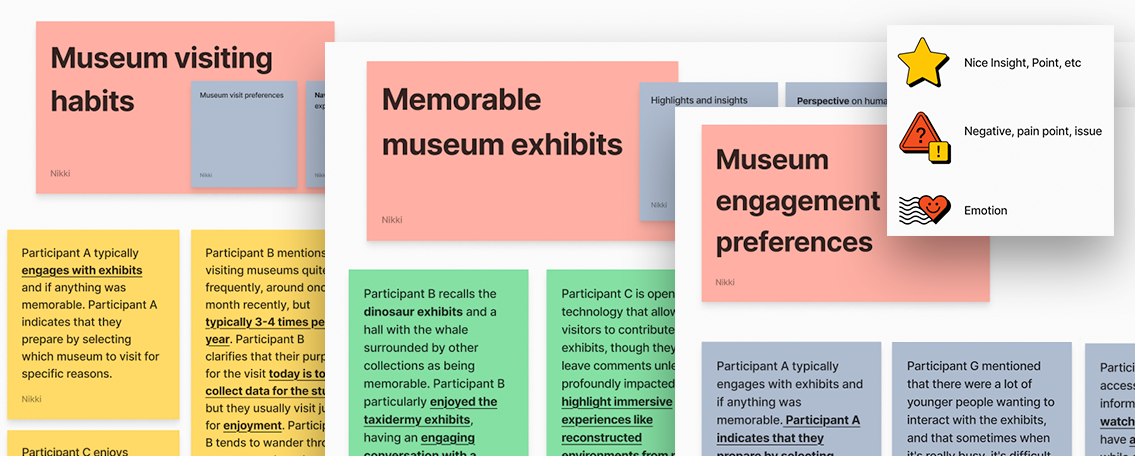
Identified categories from our findings(observation and interviews)

PROJECT TIMELINE
3 months
TEAM MEMBERS
4 UX Researchers
MUSEUM VISITS
2 Visits(for Direct observations and Interviews)

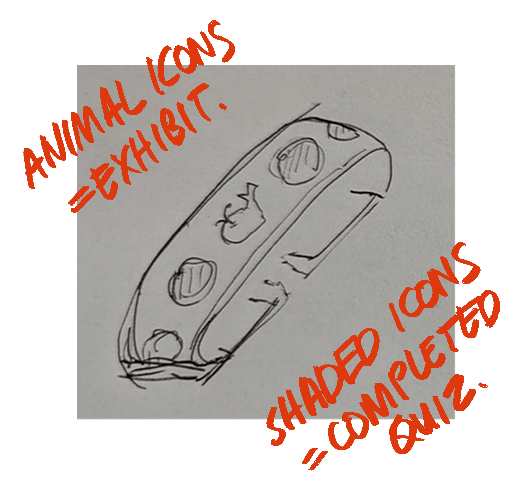
My initial sketch for our wristband illustrating the
mammals participating in
this activity.
Sketches, Storyboards, and User personas
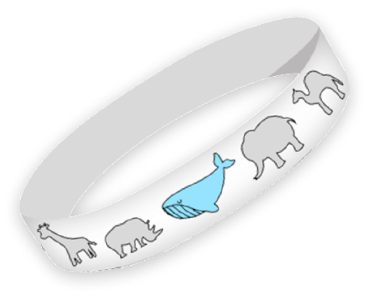
wristband illustration by Cara (teammate)
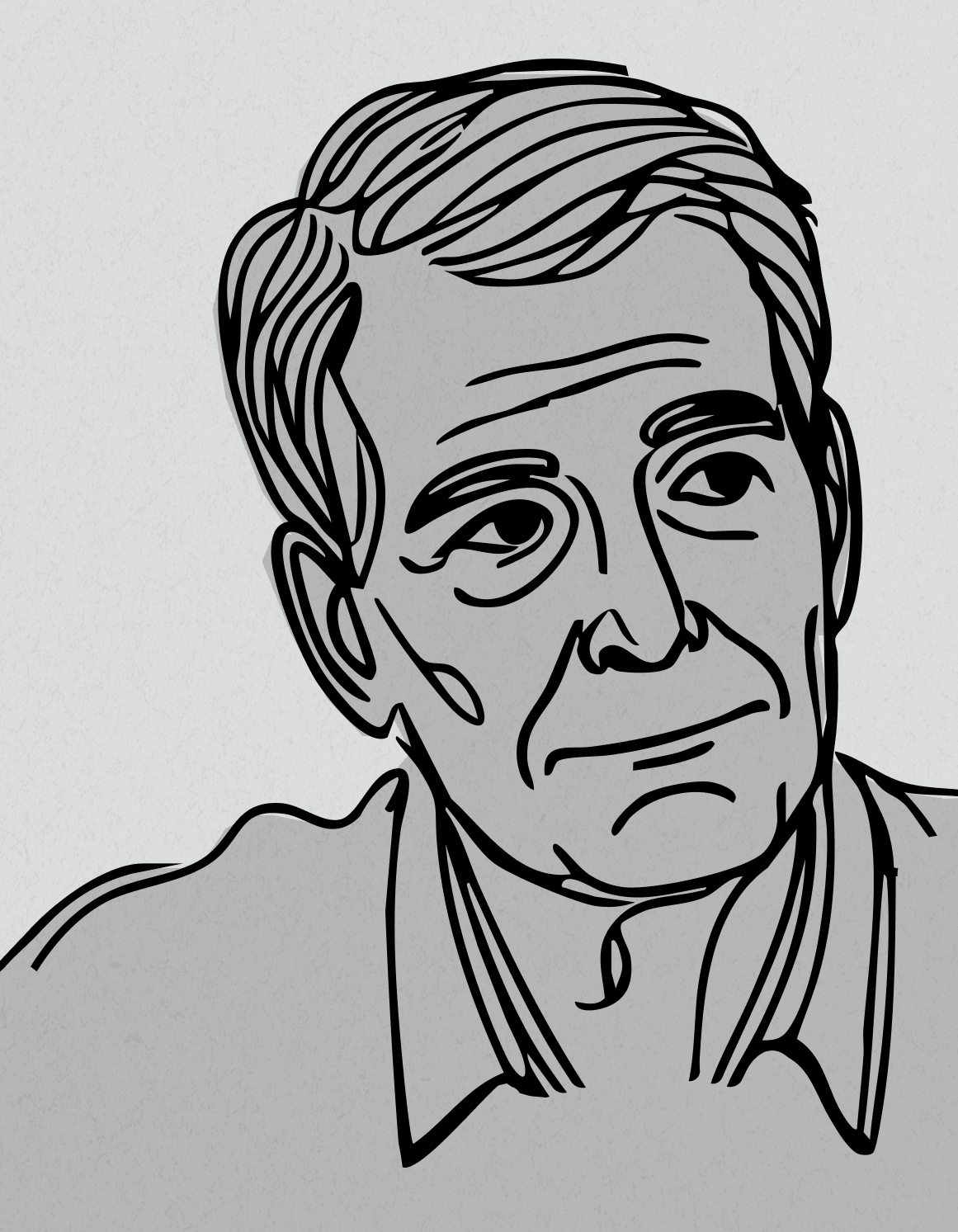
Knowledge seeking Expert
Secondary Persona
Age
50
occupation
Academic
location
Cambridge
status
Divorced
visitor type
UK Local Visitor
Frequency of museum visit
Frequent Visitor
background
A frequent visitor, with an academic and professional interest in the exhibits. They prioritise learning and information gathering duringtheir visits.
technological proficiency


comfort with technology
uncomfortable
comfortable


Casual Visitor
Core Persona
Age
35
occupation
Architect
location
Berlin
status
In A Relationship
visitor type
International Visitor
Frequency of museum visit
First Time Visitor
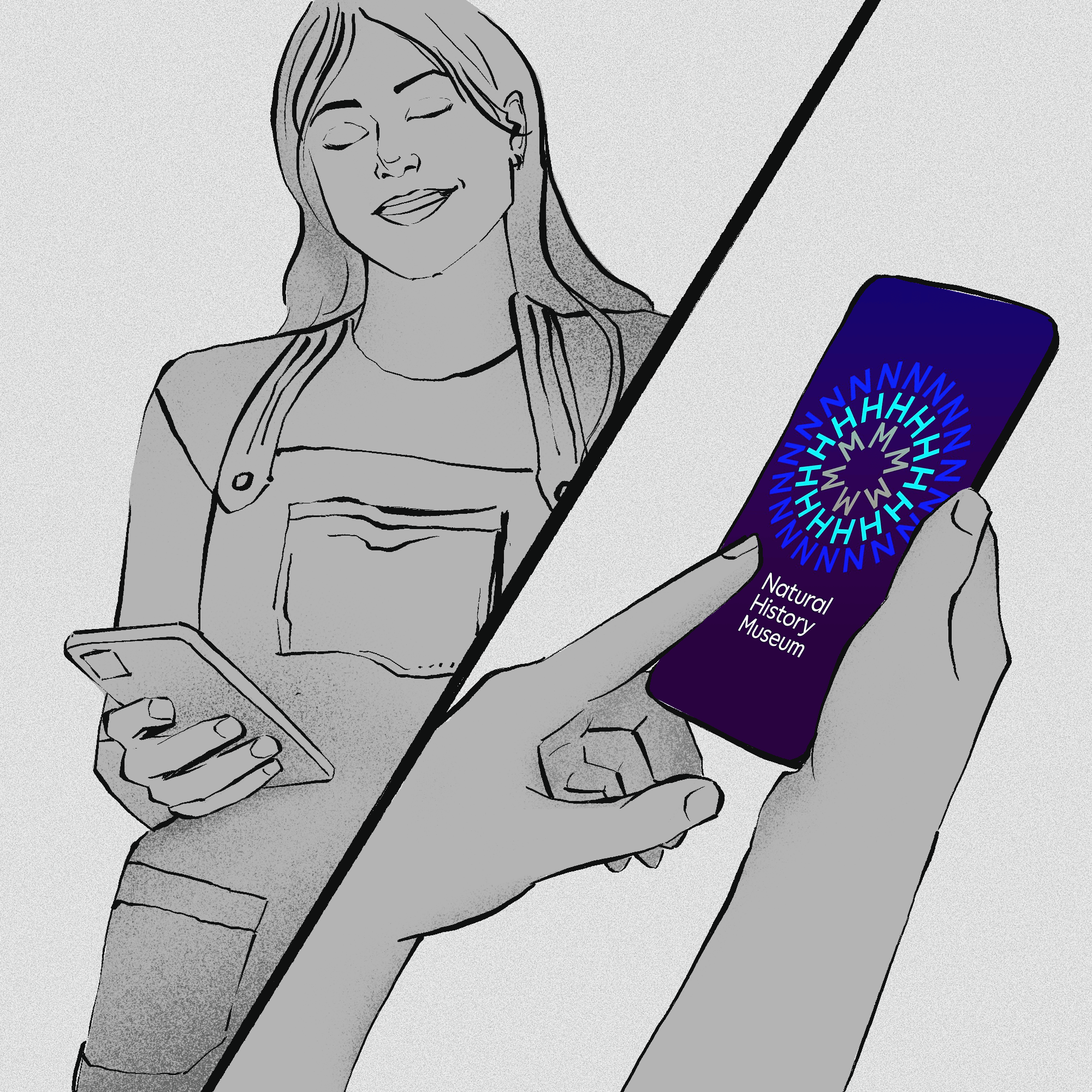
background
A first time visitor to Natural History Museum, and most likely visiting with partner for leisure but enjoys going alone. Making a day of exploring London and iconic museums. Looking at particular exhibits and exploring life-sized models of iconic animals.
technological proficiency


comfort with technology
uncomfortable
comfortable

“I think it's tough in a museum like
this that you want things to be
more dynamic and I don't think
they are. I mean, it's pretty much
static displays.”